
Reflections from the Pacific Rising convening on presence, power, and responsibility in climate philanthropy
By Ritu Gupta
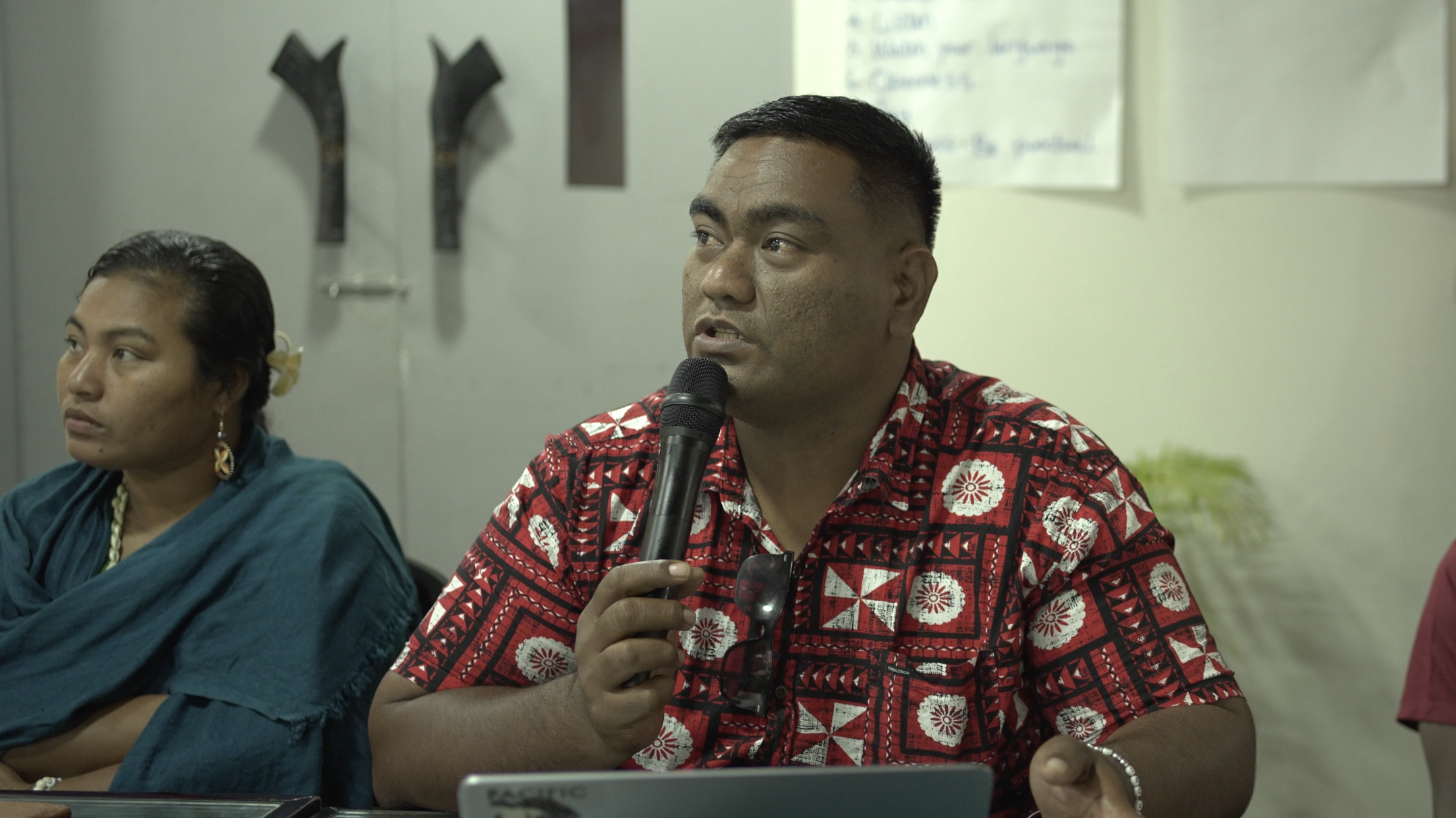
Many of us in philanthropy are sitting with difficult questions about what our funding is actually achieving in this moment. Climate impacts are accelerating, civic space is shrinking, and the communities we work with are experiencing losses that are layered, ongoing, and deeply personal. Against this backdrop, the familiar tools of climate finance, strategies, frameworks, and indicators, often feel insufficient.
Over the past year, through conversations and shared spaces with grassroots partners across the Bay of Bengal, East Africa, and the Pacific islands, the Climate Justice Resilience Fund (CJRF) has returned again and again to one realization: for communities living with climate harm, funding alone does not meet the moment. How we fund, and how we show up, matters just as much.
This reflection is not about proposing a new model. It is about naming what we are learning about accompaniment, and why it must be treated as central to climate justice funding, not an afterthought.
What Changes When We Show Up
There are things we learn only by being with partners, not by working at a distance. Through CJRF’s Loss and Damage portfolio, we spent time with partners through in-person visits and learning convenings. In these circles, different kinds of stories surfaced: stories of fear, frustration, and fatigue, but also of quiet resilience and determination. These emotions rarely appear in reports, yet they shape the work itself.
Being together went beyond observation. No report could have conveyed the heartbreak of a family leaving cattle behind, losing access to local markets, or watching burial grounds wash into the sea. We were reminded that relocation is not simply about moving houses, it is the loss of clan systems, social structures, and collective memory.
We learned that for our partners, ‘adaptation’, ‘resilience’, and ‘loss and damage’ are not separate technical agendas, they are lived together. Whether it is preserving canoe carving skills in the Pacific or folk music traditions in the Sundarbans, these are not secondary concerns, they sit at the core of their belonging and dignity.
When we first attended these convenings, we worried our presence as a funder would stifle the conversation. However, we found that when funders enter a space without trying to manage the outcome, power shifts. Trust becomes possible. While being present doesn't completely remove power differences, it allows us to bear witness to local expertise that reports often overlook, shifting the focus to our partners’ own knowledge and expanding the boundaries of what can be discussed.
Funding as a Practice of Accompaniment
What our partners are asking for is not just resources, but accompaniment. Accompaniment is the practice of walking alongside partners and communities as they navigate uncertainty and risk, even when the work becomes slow, political, or uncomfortable.
In practice, this looks like:
A practice of generative listening: Creating enabling spaces where funders walk alongside partners through uncertainty, offering presence, reflection, and situation-specific support. For example, this means holding open-ended dialogue sessions where the agenda is set by partners’ immediate needs rather than our grant milestones.
Sharing risk: Recognizing that risk is not evenly distributed. Women, youth, gender-diverse people, and human rights defenders often face personal consequences for climate justice work. Accompaniment means sharing that responsibility rather than outsourcing it. In practice, this looks like building institutional flexibility into our processes, such as adjusting grant timelines and reporting requirements, to allow partners the space to prioritize safety and community care when local tensions rise.
Co-creating spaces for reflection and care: Moving beyond technical training to offer spaces for reflection and creativity. Recently, we used arts-based workshops, poetry, zines, and drawing to help partners process loss and reflect at their own pace, in their own language.
This way of funding is not easy. It requires emotional labour, institutional flexibility, and a realization that climate justice cannot be neatly planned or managed. It is social justice work. It is about power, memory, and culture, and about who gets to decide what matters.
A Call to Fellow Funders and Donors
For those of us in philanthropy and climate finance, the lessons are clear. We must shift our approach from transactional funding to truly transformative solidarity. Some of these shifts include:
Trust requires presence: This is a collaborative process where we listen to learn and evolve together, rather than just to extract information. It is about showing up in person and sitting in circles to build the trust necessary for true partnership.
Listen deeply for context: Move beyond our own technical jargon to understand the complex realities partners describe. We must let partners lead the way in defining what 'resilience' or 'loss' actually looks like in their specific culture.
Invest in accompaniment, not just projects: Communities need tools, language, and confidence to sustain their struggles.
Treat gender and intersectionality as non-negotiable: Move beyond surface-level inclusion by resourcing the foundational work, such as local language translation and power literacy, that ensures women and gender-diverse leaders have the structural support to lead on their own terms.
Honour culture and memory: Create enabling spaces and provide flexible resources for cultural practices such as art, storytelling (e.g., Talanoa), and music as core parts of resilience.
Feminist economic alternatives matter: Resource women-led and gender-just economic initiatives that are building dignity-centered pathways beyond extractive models.
Protection as a pillar of solidarity: Recognize that protection, legal support, and collective care are essential components of climate justice work. Partners in the Pacific have specifically highlighted the need for funders to move toward integrating these more intentionally into funding approaches. We are learning that accompaniment must evolve to include proactively resourcing the security of those on the frontlines of activism.
For CJRF, these are not conclusions, but commitments. Accompaniment asks us to slow down, find comfort in the complexity of the work, and remain accountable to the people we support. If climate justice is truly about solidarity, accompaniment cannot be optional. It is central to the work.